On This Page
Table of Contents
Gold in quartz veins is one of the most sought-after and economically significant types of gold deposits globally. These veins, which contain raw gold embedded in quartz, offer both mineral beauty and wealth potential. The discovery and extraction of gold from quartz veins are not only thrilling but also hold great economic significance for the mining industry. Whether you are a seasoned prospector or a new miner, understanding how to identify, find, and extract gold-bearing quartz is essential to any successful mining venture.
What Are Quartz Veins and How Do They Form?
Quartz veins form when mineral-laden fluids, often containing gold, seep through cracks in rock formations. As these fluids cool and undergo pressure changes, the minerals crystallize, creating quartz veins. Common deposit type: Gold in quartz veins represents one of the most widespread and valuable types of gold deposits in the world, making them highly desirable for miners.
These quartz veins are formed through hydrothermal processes, where silica- and gold-saturated fluids deposit gold into the veins. Over millions of years, these fluids solidify, leading to the formation of visible gold-bearing quartz. Gold-veined quartz is often found in specific geological settings, such as the contact between granite intrusions and volcanic rocks, which makes it a prime exploration target.
How to Identify Gold in Quartz Veins
To successfully identify gold in quartz veins, it’s crucial to understand the characteristics of both gold and quartz. Here’s how you can spot gold in quartz:
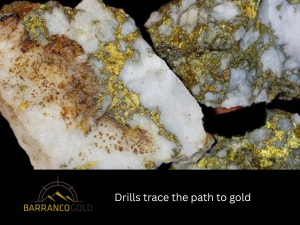
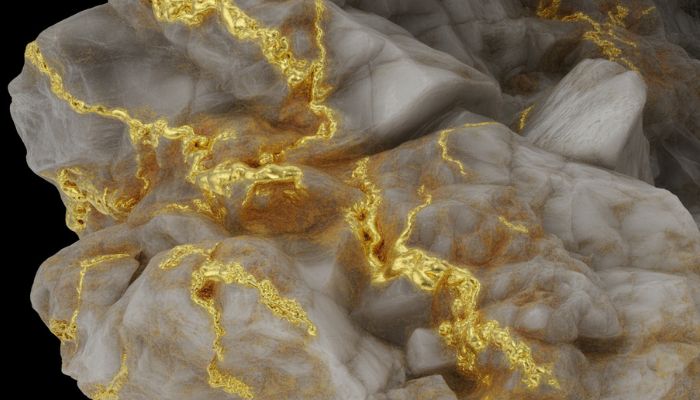
- Visual Inspection: Look for yellowish streaks or specks that resemble raw gold within quartz. These gold veins might appear metallic and bright.
- Color Differences: The gold contrasts with the surrounding quartz, which may be clear, milky, or colored. In some cases, blue quartz with gold veins can also be spotted, adding to its allure.
- Weight Test: Gold is denser than quartz, so gold-bearing quartz will feel significantly heavier than regular quartz.
- Raw Gold Indicators: Gold may appear as raw flakes or granules trapped within quartz. If you see visible gold pieces or nuggets, it indicates the presence of a gold vein.
Finding Gold in Quartz Veins
Finding gold requires a mix of geological research, proper equipment, and a bit of luck. Here’s how to improve your chances:
- Research Geological Locations: Gold in quartz veins often occurs in areas with historical mining activity or where quartz veins intersect with other rock layers, such as granite intrusions and volcanic rocks. These regions are geological indicators that gold may be present.
- Look for Exposed Quartz Veins: Quartz veins often appear on the surface in mountainous or hilly regions. If quartz veins are exposed, there’s a higher chance of finding gold.
- Use Metal Detectors: Metal detectors are an excellent tool for prospecting gold. They can help locate gold deposits if the concentration is high enough.
- Gold Panning: Gold panning is a tried-and-tested method to separate gold from quartz ore. Look for quartz deposits that may contain visible gold.
The Value of Gold in Quartz
The value of gold depends on multiple factors, including the gold content, quartz quality, and market conditions. Here’s how to assess its value:
- Gold Content: The more gold in the quartz vein, the higher its value. The gold can be either visible to the naked eye or microscopic. If microscopic, it’s often trapped within minerals like pyrite, making extraction more challenging. This extraction challenge requires specialized techniques to separate gold from quartz.
- Quartz Quality: The overall quality of the quartz also affects its value. Gold-veined quartz that shows minimal imperfections or contains unique features, like blue quartz with gold veins, can be more valuable.
- Market Demand: The price of gold fluctuates based on market conditions. Additionally, rare specimens of gold-bearing quartz with unusual characteristics can fetch a premium price.
Common Types of Gold-Bearing Quartz
Gold-bearing quartz veins can take different forms, each with varying characteristics and values:
- Yellow Gold in Quartz: This is the most common type, where bright yellow or brownish gold is clearly visible in the quartz.
- Gold-Veined Quartz: Quartz that has visible streaks or veins of gold running through it.
- Blue Quartz with Gold Veins: This rare and highly desirable form of quartz contains gold veins within blue-colored quartz.
- Raw Gold in Quartz: Sometimes gold appears as raw nuggets or granules within the quartz, making it easier to identify and extract.
Gold in Quartz Mining: Techniques and Tools
Mining gold from quartz veins requires specialized tools and techniques to efficiently extract the gold. Here are the essential tools for gold mining in quartz:
- Pickaxes and Shovels: Manual tools used to extract quartz from veins.
- Rock Crushers: To crush the quartz ore into smaller pieces, making it easier to separate the gold.
- Sluice Boxes: Used in conjunction with panning to separate the gold from quartz.
- Metal Detectors: For locating gold nuggets within quartz veins.
The Process of Extracting Gold from Quartz Veins
Understanding Quartz Gold Vein Formation
Quartz veins form when hydrothermal fluids carry dissolved minerals, such as gold, into cracks and fissures in rock formations. Over time, these fluids cool and deposit the minerals in the cracks, forming solid veins of quartz and gold. The gold in these veins can either be visible to the naked eye or microscopic, with the latter requiring advanced extraction techniques.
The extraction of gold from quartz veins depends on the nature of the deposit. In some cases, gold is found as free gold within the quartz, meaning it can be easily separated. However, in other cases, the gold is bound to other minerals, requiring more advanced processing methods.
Methods of Gold Extraction from Quartz Veins
Mining companies use a variety of techniques to extract gold in quartz veins from the Earth. Some of the most common methods include:
- Crushing and Grinding – The first step in the extraction process involves crushing the quartz rock into smaller pieces and grinding it into a fine powder. This increases the surface area for gold extraction.
- Cyanide Leaching – After the rock is pulverized, the gold is extracted using cyanide, a process known as cyanidation. The gold binds to the cyanide, forming a gold-cyanide complex that can be separated from the rock.
- Gravity Separation – This method involves using the differences in the density of gold and other minerals to separate the gold from the surrounding material. It’s often used when gold is present in high concentrations.
- Flotation – In cases where gold is embedded in other minerals, flotation can be used to separate the gold from the quartz rock.
- Smelting – The final step in the gold extraction process involves heating the gold to high temperatures to separate it from the impurities, leaving behind pure gold.
Gold in Quartz Veins: Economic Importance
“Gold plays a vital role in the global economy. These deposits are considered one of the most widespread types of gold deposits and are essential for the mining industry. The extraction of gold from these deposits is of great economic importance to countries with rich gold reserves.
The process of gold deposition occurs through hydrothermal processes, where silica- and gold-saturated fluids deposit gold as they cool and undergo pressure changes. However, extraction challenges remain because gold can sometimes be microscopic or trapped within minerals like pyrite, requiring advanced techniques for successful mining.
Quartz veins containing gold are often found in specific geological settings, such as between granite intrusions and volcanic rocks, making them highly valued targets for exploration. Additionally, the presence of indicator minerals like pyrite and arsenopyrite often signals the existence of gold-bearing quartz veins, further aiding in gold discovery.
Frequently Asked Questions
How can I identify gold in quartz?
Look for yellow streaks or flecks in quartz. Gold veins will contrast with the surrounding quartz, which may be clear or milky.
What are the challenges in extracting gold from quartz veins?
Gold may be microscopic or trapped in minerals like pyrite, requiring specialized extraction techniques like rock crushers and sluice boxes.
How do I find gold-bearing quartz veins?
Research historical gold mining areas, use metal detectors, and prospect regions where quartz veins are exposed.
What makes gold in quartz veins valuable?
The value depends on the gold content, the quality of the quartz, and the rarity of the specimen.
What tools are needed for mining gold in quartz?
Tools like pickaxes, rock crushers, metal detectors, and sluice boxes are essential for extracting gold from quartz veins.
Conclusion
Gold remains a rewarding yet challenging target for miners. The extraction of gold from these deposits is of significant economic importance, and the unique geological characteristics make them a key focus for exploration. By understanding how quartz veins form, how to identify gold within them, and how to assess their value, you can improve your chances of striking gold in your next mining adventure.