Understanding whether peptides expire requires examining the complex interplay between amino acid sequences, moisture content, and thermal energy
Importantly, patients should seek immediate medical attention for warning signs such as: Severe, persistent abdominal pain (possible pancreatitis) Right upper quadrant pain, fever, or jaundice (possible gallbladder disease) Severe, persistent vomiting or diarrhea leading to dehydration Signs of allergic reaction including rash, swelling, or difficulty breathing Unusual neck mass, difficulty swallowing, hoarseness, or shortness of breath (thyroid concerns) Maintaining open communication ensures accurate diagnosis, appropriate monitoring, and optimal therapeutic outcomes while taking this medication
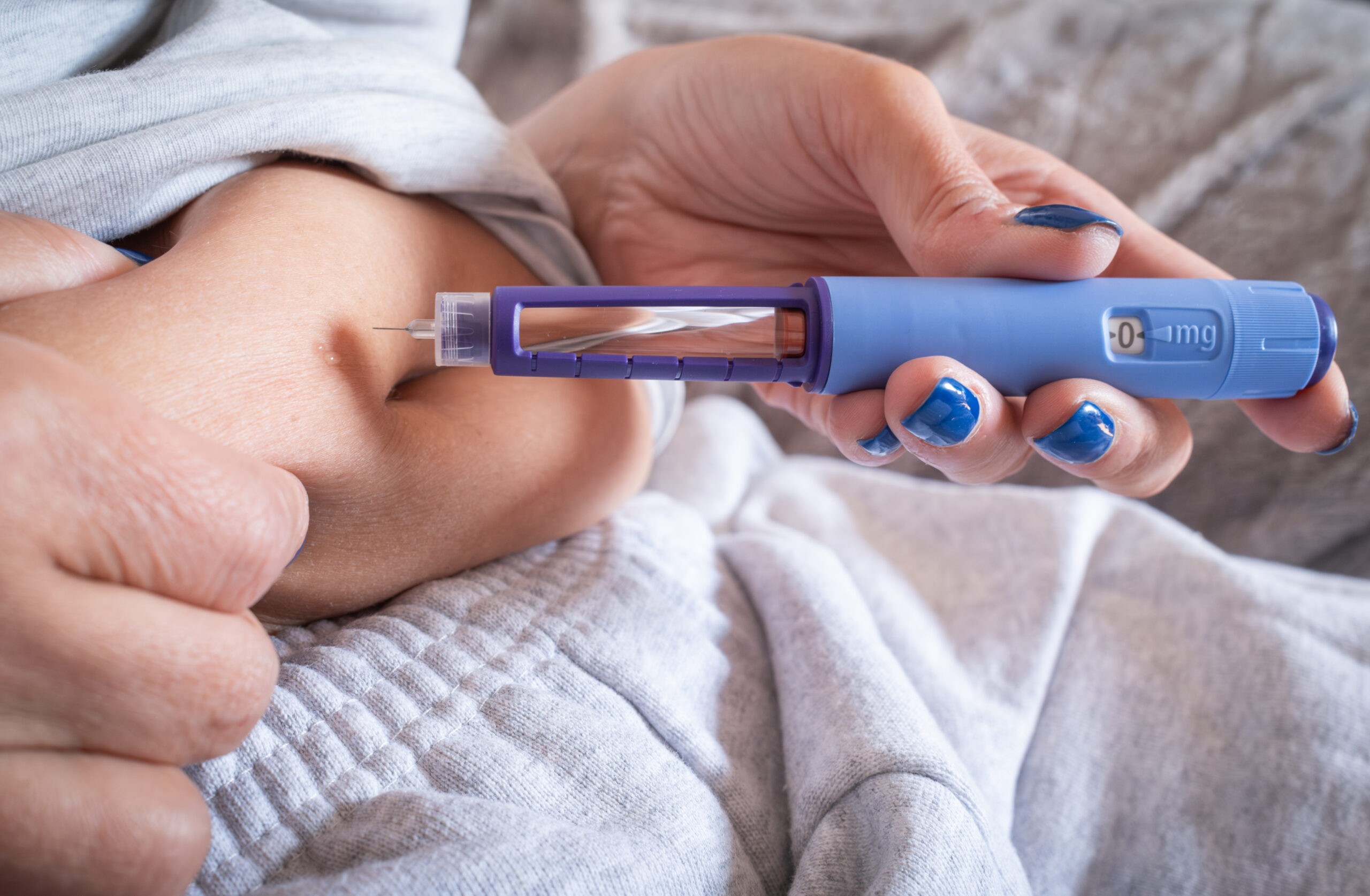
proper injection technique and site rotation can minimize these local reactions, and they tend to resolve quickly on their own
scar tissue formation at the injury site Anti-inflammatory down-regulates NF-B signaling, one of the key inflammatory pathways active in disc herniations Works in synergy with BPC-157 while BPC-157 creates the growth signals, TB-500 provides the cellular migration framework to execute the repair Protocol: Loading phase: 2.5mg5mg/week subcutaneous injection for 46 weeks Maintenance: 1.252.5mg/week ongoing Frequency: Single weekly injection or split into two 1.25mg injections across the week (both approaches work) The Synergy: Why Run Both Together BPC-157 and TB-500 work through different but complementary mechanisms