Gold is the Future

A text that shortly invites you to join us and explore more on this website, maybe a specific page

ABOUT US

Baranco Gold,
Better Slogan.

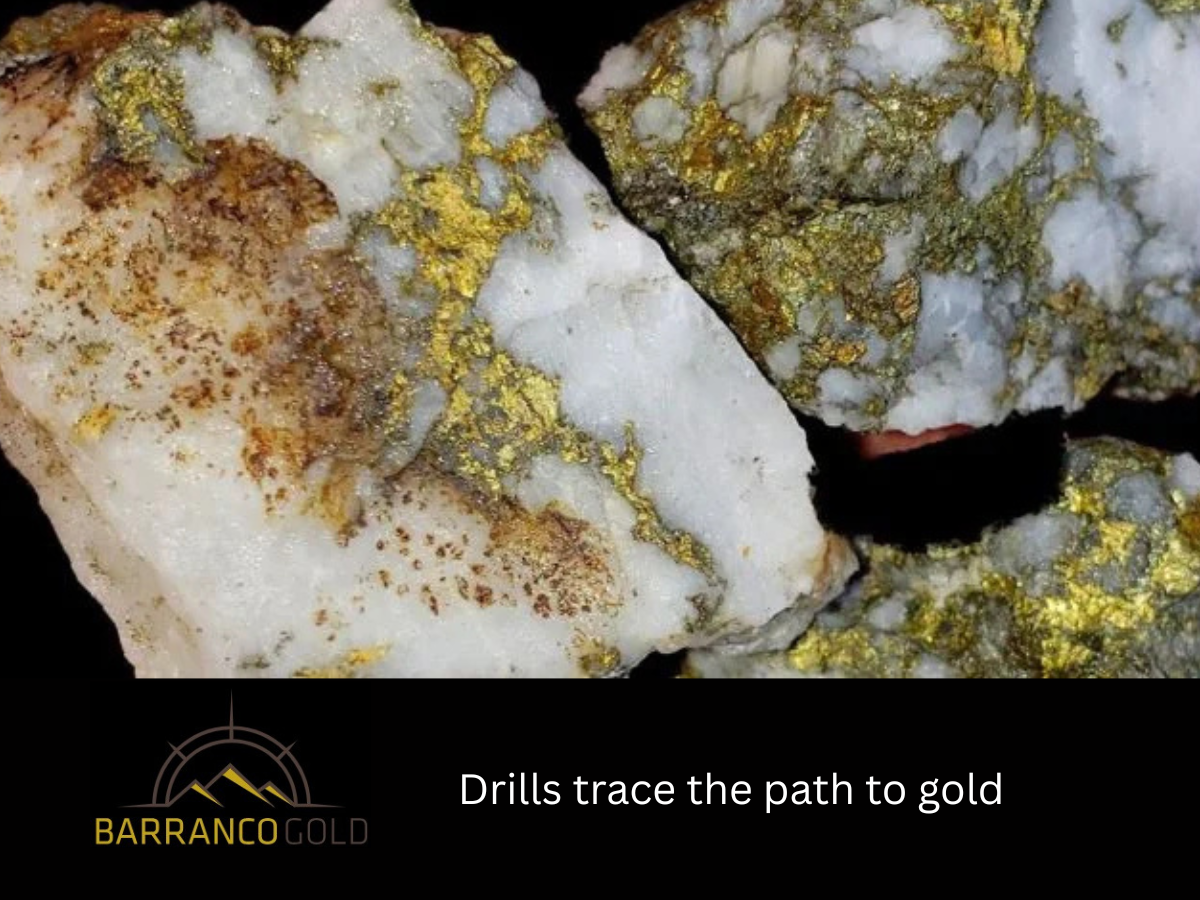
Barranco Gold Mining Corp. is a gold-focused exploration company advancing the King Gold Project in Canada’s newest gold district, the Spences Bridge Gold Belt. Barranco controls 3,200 hectares within seven 100% owned claims strategically located within this belt.

The company’s claims cover prospective stratigraphy in the southern SBGB, a 110 km northwest–trending belt of intermediate to felsic volcanic rocks dominated by the Cretaceous Spences Bridge Group.

These relatively underexplored volcanic rocks are highly prospective for epithermal style gold mineralization and low-sulphidation epithermal gold quartz veins occur throughout the range of the Spences Bridge Group stratigraphy.

Join Our Mailing List

Don’t miss out. Get the latest news first.

OUR PROJECTS

Our Projects,
A Headline.

We are well positioned on one of the world’s most prolific gold belts in an emerging gold producing region.

OUR INSIGHT

Latest Articles

Gold mining is a complex journey that begins beneath the earth’s surface, where valuable resources lie hidden. One of the most important steps in this journey is rock excavation, the process that uncovers gold-bearing ore. How this excavation is done can make a big difference, not only in how efficiently the gold is recovered but also in how the surrounding environment is treated. From traditional methods to modern technologies, each technique comes with its own set of advantages and challenges. Understanding these processes is essential for anyone interested in responsible and effective gold mining, whether you are part of the industry or simply curious about how the treasures of the earth are brought to light.

What is Rock Excavation?

Definition and Significance

Rock extraction refers to the process of removing rock material from the earth to gain access to valuable minerals, such as gold. It involves various methods, including mechanical, chemical, and explosive techniques, all aimed at breaking down rock layers to expose mineral deposits.For gold mining, efficient Rock Digging is vital because it directly impacts the gold extraction of gold ore. As gold ore is often deep underground or covered by layers of rock, miners must use precise and effective methods to access these resources.

Importance in Mining Operations

Rock extraction is a cornerstone of Mining Operations and Equipment , especially in gold mining. The process involves removing vast amounts of material, including both overburden (the surface material that covers ore deposits) and rock, to expose gold-bearing ore. Without proper excavation techniques, accessing valuable minerals becomes inefficient and costly.

Mining Operations and Technology

The Role of Mining Machinery

In gold mining, Earth Digging is made possible by a variety of machinery designed to handle large-scale excavation projects. These machines help move rock, break it down into manageable pieces, and transport it for processing. The key machinery used in gold mining includes:

  • Excavators: Large, heavy-duty machines used for digging and moving rock.
  • Bulldozers: Used for clearing land and preparing sites for excavation.
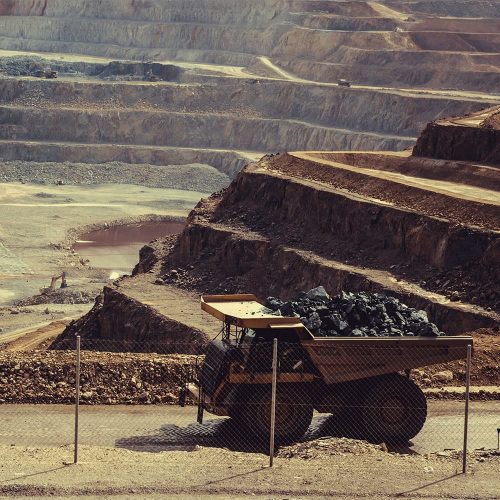
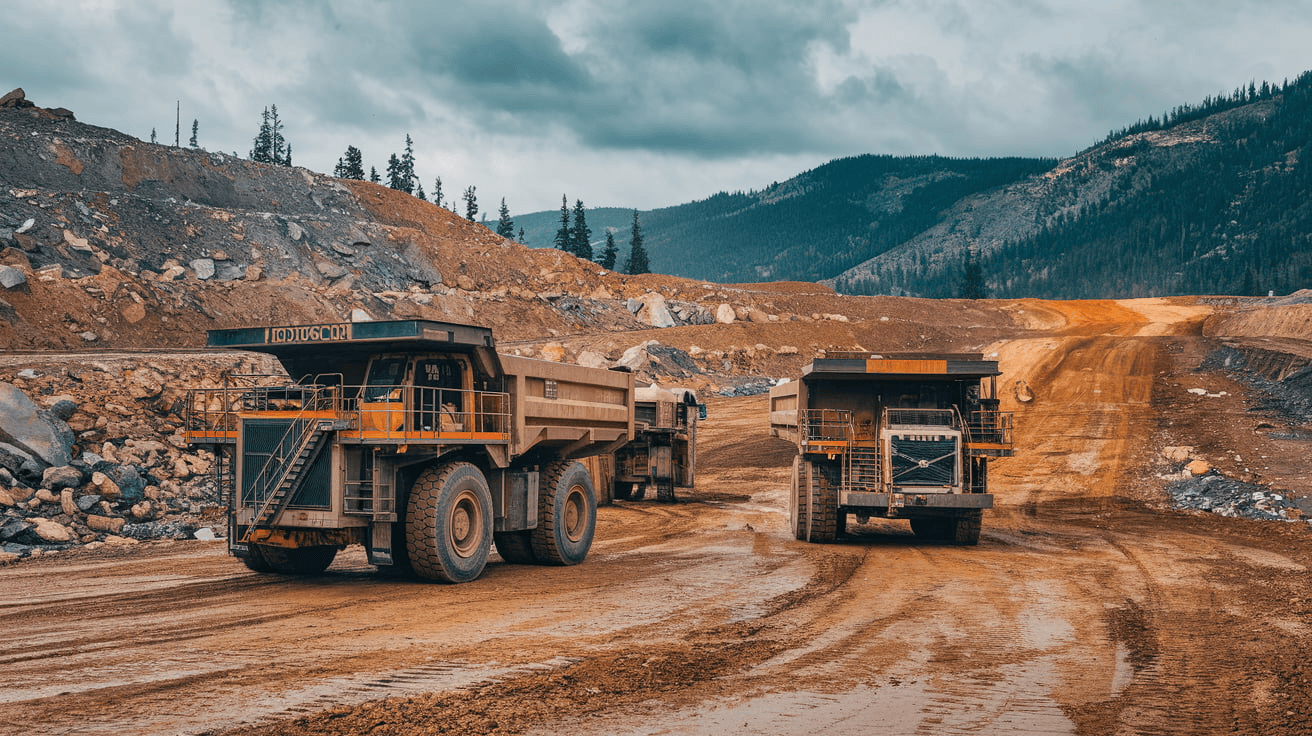
  • Haul Trucks: Transport excavated material to processing areas.
  • Drill Rigs: Used to create holes for explosives in hard rock.

These machines are crucial in enabling miners to efficiently carry out rock excavation and mineral extraction. Modern mining machinery has become increasingly automated, offering greater precision, efficiency, and safety.

Innovations in Mining Technology

Over the years, mining technology has advanced significantly, improving the efficiency and safety of rock extraction in gold mining. Some key technological innovations include:

  • Automated Excavators and Drills: These machines can operate autonomously, reducing the need for human intervention and increasing precision in excavation.
  • Real-time Data Analytics: Sensors and software that monitor equipment performance and provide real-time data to improve decision-making.
  • Advanced Rock Breaking Techniques: New technologies such as non-explosive demolition agents and hydraulic splitting tools have made rock breaking safer and more efficient.

These technological advancements help mining operations reduce costs, improve productivity, and minimize environmental impact.

Exploring Mineral Exploration and Excavation

Techniques for Effective Exploration

Mineral exploration is the first step in any mining operation, and its success largely depends on accurate and efficient rock extraction techniques. Common exploration methods include:

  • Geophysical Surveys: Techniques like seismic imaging and ground-penetrating radar help locate ore deposits beneath the surface.
  • Core Drilling: A method of drilling to extract samples of rock and soil for analysis to determine the presence of minerals.
  • Geochemical Sampling: Involves analyzing rock, soil, or water samples for signs of valuable minerals.
    By accurately identifying mineral deposits, exploration ensures that excavation efforts are focused on areas that will yield the best results.

Mineral Exploration’s Impact on Gold Mining

Effective exploration enables mining companies to identify the most valuable deposits and plan their excavation methods accordingly. Gold Mining Stocks represent investments in companies engaged in gold exploration, extraction, and production, offering a way for investors to gain exposure to the gold market without physically owning the metal itself. This is crucial for gold mining, where the presence of ore can vary widely across a region. Without proper exploration, excavation might lead to inefficiencies and wasted resources.

Techniques Used in Rock Excavation

Surface Mining and Rock Breaking

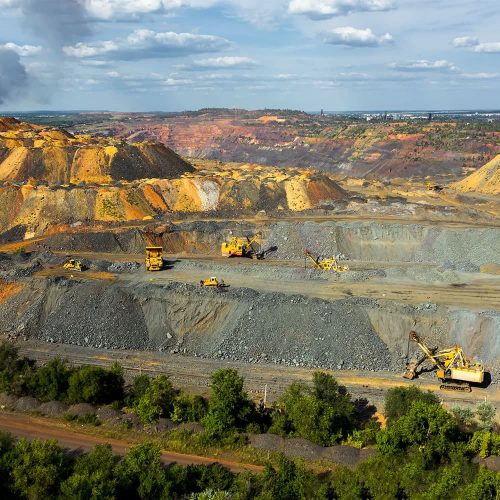
Surface Mining in Gold Mining is the most common method used for excavating gold, especially when the ore is close to the surface. It involves removing overburden and digging down to access the ore. Once the ore is reached, it is extracted using various methods such as:

  • Drilling: Drilling holes in rock to place explosives for blasting.
  • Mechanical Rock Breaking: Using crushers, hydraulic hammers, or even high-pressure water jets to break rock into smaller pieces.

Efficient rock breaking ensures that valuable ore is accessed quickly, reducing the cost and time associated with gold mining.

Drill and Blast Methods

In harder rock formations, the drill and blast method is often employed. This involves Drilling Techniques holes into the rock, placing explosives, and detonating them to break the rock into smaller, more manageable pieces. This method is particularly effective in extracting gold from hard rock deposits that are otherwise difficult to access using mechanical means alone.

The Role of Gold Mining Machinery in Excavation

Types of Equipment Used in Gold Mining

Gold mining operations rely heavily on specialized machinery for. These machines are designed to handle the heavy lifting involved in moving large quantities of rock and ore. Key equipment includes:

  • Excavators: Large machines used to dig and transport rock from the excavation site.
  • Drills: Used to create holes for blasting or core sampling.
  • Haul Trucks: Essential for transporting the excavated rock to processing facilities.

With advancements in technology, mining equipment has become more efficient, durable, and capable of handling tougher conditions, making excavation processes more cost-effective.

How Technology Enhances Efficiency

Modern gold mining machinery incorporates technology such as GPS navigation, automated controls, and sensors to improve excavation efficiency. These innovations reduce human error, optimize equipment performance, and provide real-time monitoring of excavation processes.For example, automated excavators can operate continuously, reducing downtime and increasing productivity. Additionally, new machine learning algorithms are being used to predict and optimize excavation operations, ensuring that rock breaking and mineral extraction are carried out as efficiently as possible.

Benefits of Efficient Earth Digging in Gold Mining

Economic and Operational Advantages

Efficient Rock Removal is critical for the economic success of gold mining operations. It allows miners to access valuable ore more quickly, reducing the overall cost of mining. Moreover, technological advancements in machinery and excavation techniques have led to a reduction in labor costs and increased productivity.

  • Cost Reduction: Automation and better equipment help lower operating costs.
  • Increased Productivity: Efficient excavation methods lead to faster mineral extraction, boosting output.

Environmental and Safety Improvements

In addition to economic benefits, efficient excavation methods also reduce the environmental and safety risks associated with mining. For example, improved blasting techniques and equipment help minimize environmental damage, such as land degradation and water contamination.Additionally, automation and real-time data monitoring help reduce safety hazards by reducing human exposure to dangerous conditions.

Common Challenges and Mistakes in Excavation

Equipment Failures and How to Prevent Them

One of the main challenges in rock excavation is equipment failure, which can lead to costly delays. Preventative maintenance is essential for ensuring that machinery operates smoothly. Regular inspections, timely repairs, and investing in high-quality equipment can help prevent breakdowns.

Safety Risks in Rock Removal

Mining operations come with inherent safety risks, including rockfalls, explosions, and exposure to hazardous gases. Ensuring that workers are properly trained and provided with safety equipment, such as helmets, protective gear, and respirators, is vital for preventing accidents.

Case Studies: Successful Material Excavation in Gold Mining

Real-World Applications

Some of the most successful gold mining operations have utilized advanced Ore Extraction techniques. For instance, Barrick Gold’s Veladero mine in Argentina uses cutting-edge excavation machinery and technologies to improve efficiency while reducing environmental impact. The mine employs automated trucks, drill rigs, and real-time data analytics to optimize excavation processes.

Future Trends in Rock Excavation

The Impact of Technology on Excavation Processes

As technology continues to evolve, the future of Material Excavation in gold mining looks promising. Emerging technologies such as artificial intelligence (AI), machine learning, and robotics are expected to play a key role in further improving the efficiency and safety of excavation operations.

Sustainable Practices in Mining Operations

There is an increasing emphasis on sustainability in mining, with a focus on reducing the environmental impact of excavation. Innovations in mining machinery, such as electric-powered vehicles and non-explosive demolition agents, are helping to minimize pollution and reduce the carbon footprint of gold mining.

Conclusion

Material Excavation is a crucial part of gold mining, enabling the extraction of valuable ore from deep within the earth. By utilizing modern machinery and cutting-edge technology, mining operations can increase efficiency, reduce costs, and minimize environmental and safety risks. As the industry continues to evolve, the future of rock excavation looks brighter, with innovations that promise to make gold mining operations even more efficient and sustainable.

FAQs 

What is the best method for Rock Digging in gold mining?

The best method depends on the type of ore and location. Surface mining is typically used for shallow deposits, while drill and blast methods are employed for deeper, harder rock.

How is rock broken during gold mining?

Rock is broken using mechanical rock breakers, hydraulic hammers, or explosives in methods like drill and blast.

What safety measures should be taken during rock excavation?

Safety measures include using protective gear, maintaining equipment, and following proper blasting protocols.

How does technology improve gold mining excavation?

Technology improves excavation by optimizing equipment performance, reducing downtime, and increasing safety through automation and real-time monitoring.

What are the environmental impacts of Material Excavation?

The environmental impacts include land disturbance, water contamination, and habitat destruction, though newer technologies are helping reduce these effects.

Can Mineral Extraction be automated?

Yes, automation is increasingly being used in mining operations to improve efficiency and reduce human exposure to hazardous conditions.

What equipment is used for gold mining excavation?

Equipment includes excavators, haul trucks, drill rigs, and bulldozers.

How does mineral exploration affect Rock Digging?

Mineral exploration helps identify the best areas for excavation, ensuring that excavation efforts focus on high-value ore deposits.

What is the role of drilling in Mineral Extraction?

Drilling creates holes in rock for placing explosives, helping to break the rock into manageable pieces.

What are the challenges of Ore Extraction in gold mining?

Challenges include equipment failures, safety risks, and managing the environmental impact of excavation activities.

Read more about: gold-amalgam


Refers to a mixture of gold Amalgam and mercury, which was historically used in gold mining as a method of extracting gold from ores. Mercury, when combined with gold, forms a gold-mercury amalgam that is easy to handle and separate from the remaining minerals in the rock. The process of amalgamation dates back to ancient times and was widely used during the gold rush era.

How does the process of combining gold with mercury work?

Amalgamation works by mixing gold ore with mercury. When the mercury binds with the gold particles, it forms a soft, easily separable compound. After the amalgam is formed, miners can heat it to evaporate the mercury, leaving behind the purified gold.Though this process was widely adopted for gold extraction, it has environmental implications, as mercury is toxic and can contaminate water sources.

Gold Mining Tools: Essential Equipment for Every Prospector

Whether you’re an amateur prospector or a seasoned gold miner, having the right tools is crucial. The following gold mining tools are essential for successful gold extraction.

Gold Pans

Gold panning is one of the oldest methods of gold extraction and involves using a shallow pan to wash gold-bearing sand or gravel. The gold particles, being heavier, settle at the bottom of the pan, making it easier to separate them from lighter debris.

Sluice Boxes

A sluice box is an effective tool for washing material in gold mining. It uses water to carry materials through a series of riffles. As the water moves through the sluice, gold particles are trapped in the riffles, while lighter materials wash away.

Shovels and Picks

While often overlooked, basic hand tools such as shovels, picks, and trowels are crucial for digging up soil and rock. These tools are especially useful for breaking open bedrock and loosening soil in areas where gold is suspected to be.

Metal Detectors

Metal detectors are increasingly being used by prospectors to locate gold deposits. These devices work by detecting metal objects beneath the surface, including gold nuggets.

Gold Wash Plants: How They Work and Why They’re Important

A gold wash plant is a machine that uses water and gravity to separate gold from debris and dirt. The process typically involves running water over the material, which is then funneled through a series of screens or sluices that catch and separate the gold.

Key Features of Gold Wash Plants

  • Portable Design: Many gold wash plants are portable, making them ideal for prospectors working in remote locations. They can be easily set up and moved depending on the needs of the operation.
  • High Recovery Rates: A well-designed wash plant can efficiently extract gold, ensuring that a large percentage of the material is recovered.
  • Efficiency: Modern wash plants often include advanced features like vibrating screens, trommels, and centrifugal concentrators, which help improve the speed and effectiveness of gold extraction.

Types of Gold Wash Plants

  1. Trommel Wash Plants: These plants use a rotating drum to wash and separate gold from gravel or sand.A trommel separates gold-bearing material by size using a rotating screen.
  2. Sluice Box Wash Plants: These plants integrate a sluice box system to separate gold from the material washed through the plant.

Rock Drilling Equipment: Essential for Accessing Gold Deposits

In gold mining, rock drilling is a key technique used to reach gold deposits buried deep within the earth. Rock drilling equipment is vital for penetrating bedrock and accessing these precious gold reserves.

Types of Rock Drilling Equipment

  1. Rotary Drills: Rotary drills use a rotating cutting bit to break through rock. They are ideal for drilling deep boreholes to locate gold deposits.
  2. Percussion Drills: These drills use a hammering action to break rock, making them useful for tougher, more compact materials.
  3. Diamond Core Drills: These drills are used for precise drilling and collecting samples of rock, which can be analyzed for gold content.

Bedrock Gold: How to Find Gold Beneath the Surface

Gold is often found deep beneath the earth’s surface, embedded in the bedrock. Bedrock gold refers to gold that is trapped in solid rock formations rather than loose gravel or sand.

How to Find Bedrock Gold

  • Surface Prospecting: Before drilling or excavating, prospectors may use metal detectors or simple hand tools to locate gold-bearing rocks.
  • Core Sampling: Drilling into bedrock with core sampling can help identify gold concentrations beneath the surface.
  • Mining Techniques: Once gold-bearing bedrock is located, miners can use various extraction techniques, including blasting, drilling, and using wash plants to separate gold.


Common Mistakes in Gold Amalgamation and Mining

Overreliance on Amalgamation

While amalgamation can be effective, it’s not the only method for extracting gold. Relying too heavily on mercury can lead to environmental contamination. Alternative methods like gravity separation or flotation may be more sustainable.

Ignoring Safety Protocols

Using toxic substances like mercury requires proper safety protocols. Miners should always wear protective gear and follow local environmental laws to reduce the risk of exposure to harmful chemicals.

Poor Maintenance of Mining Equipment

Neglecting maintenance of mining equipment, such as gold wash plants and rock drills, can lead to operational inefficiencies and costly repairs. Regular maintenance ensures optimal performance and increases the lifespan of tools and machinery.

The Future of Gold Mining: Trends and Innovations

Gold mining is continuously evolving, with advancements in technology improving the efficiency and environmental impact of mining operations.

Sustainable Mining Practices: As the environmental impact of gold mining becomes more scrutinized, mining companies are increasingly adopting sustainable practices, including the use of non-toxic chemicals and water recycling systems.

Automation and AI in Mining Automation is revolutionizing the mining industry. Drones, robots, and AI-powered systems are being used to monitor gold deposits, conduct site surveys, and automate extraction processes, reducing the need for human labor and increasing safety.

FAQs:

How does gold amalgamation work?

Gold amalgamation involves mixing gold ore with mercury, which forms a gold-mercury compound that can later be heated to remove the mercury and leave behind the gold.

What are gold mining tools?

Gold mining tools include pans, sluice boxes, shovels, metal detectors, and more, all of which are used to extract gold from the earth.

What is a gold wash plant?

A gold wash plant is a machine used to separate gold from dirt and gravel using water and gravity.

What is bedrock gold?

Bedrock gold refers to gold found deep beneath the surface, embedded in solid rock formations.

How do rock drills help in gold mining?

Rock drills are used to penetrate bedrock, allowing miners to reach gold deposits buried deep within the earth.

What are the benefits of using a gold wash plant?

Gold wash plants increase efficiency by automating the process of separating gold from gravel and dirt, providing higher recovery rates.

What tools are used for drilling in gold mining?

Common drilling tools include rotary drills, percussion drills, and diamond core drills, all used to reach gold deposits in bedrock.

How do I find bedrock gold?

To find bedrock gold, prospectors use surface tools, metal detectors, or drill core samples to locate gold-rich areas beneath the surface

How does mercury used in gold mining impact the environment?

Gold amalgamation can release toxic mercury into the environment, which can contaminate water sources and harm wildlife.

What is Gold Mining Stock?

Gold mining stocks: Gold mining stocks are shares of companies involved in exploring, mining, and producing gold.

Conclusion

Gold amalgam and gold drilling equipment play a vital role in the exploration and extraction of gold resources. This equipment makes it possible to reach gold-bearing rock deep beneath the earth’s surface. It helps geologists and mining companies find deposits accurately and judge their commercial value.Without reliable drilling tools, identifying viable gold reserves would be far more difficult, time-consuming, and costly.

Read more about: What Is Gold Refining

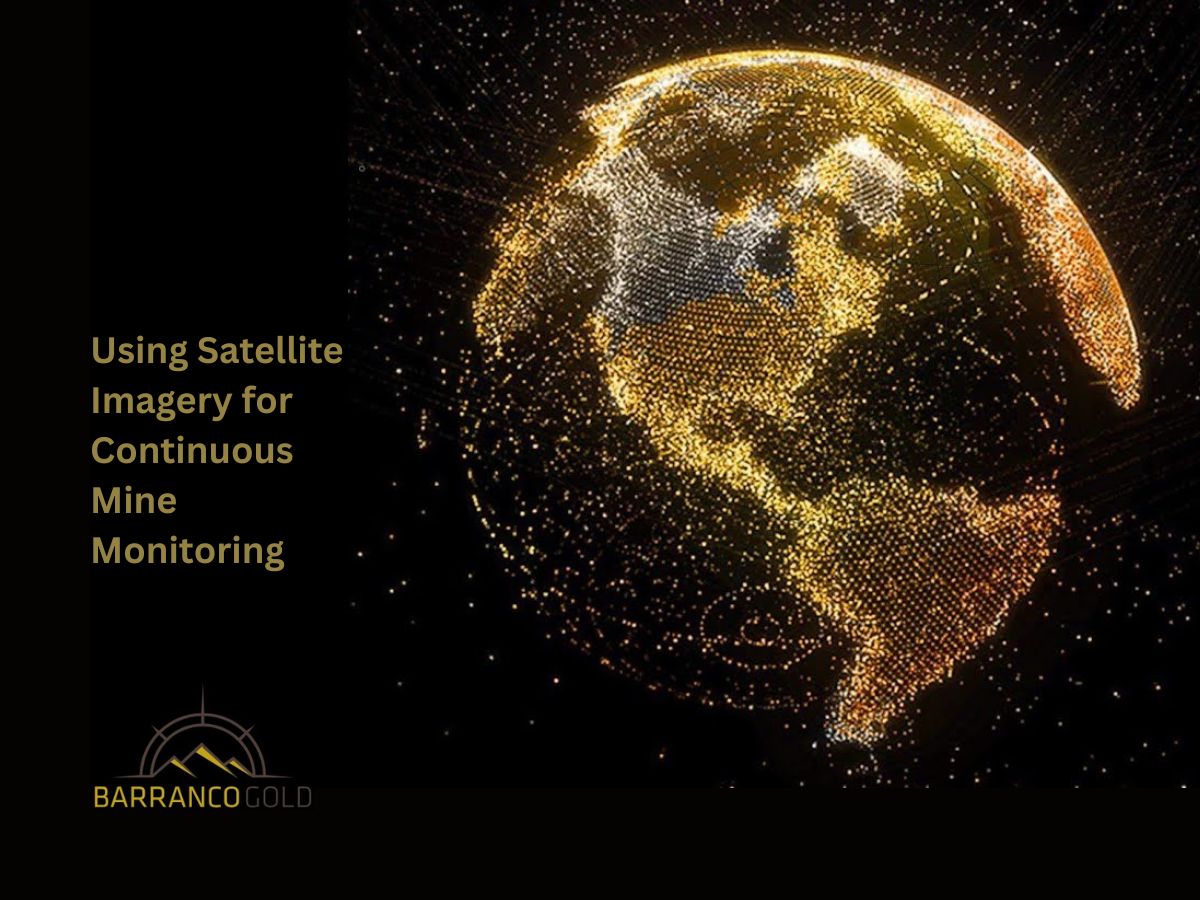
Remote sensing involves gathering information about objects or areas from a distance, often from satellites or aircraft. This technology plays a crucial role in observing Earth’s surface without physical contact, making it invaluable for industries like agriculture, urban planning, and mining. Satellite Remote Sensing in Gold Mining involves using satellite-based sensors to collect data that can help identify mineral deposits, monitor environmental impacts, and enhance exploration accuracy.

The Role of Remote Sensing in Gold Mining

Gold mining is a complex process that demands precision, accurate data, and a thorough understanding of geological landscapes. Modern mining operations have greatly benefited from advanced technologies that enhance the way mineral resources are located and extracted. This guide explores how innovative tools and techniques, such as hyperspectral data and digital mapping, help gold mining companies discover new prospects and improve operational efficiency.

How Remote Sensing Works in Gold Minin

Remote sensing involves using specialized sensors to capture electromagnetic radiation reflected or emitted from the Earth’s surface. These sensors detect data across different wavelengths, which is then processed to generate imagery and maps. In gold mining, this technology helps identify specific minerals and track changes in the earth’s surface that may indicate the presence of valuable metals like gold. By analyzing these changes, mining companies can pinpoint areas with high exploration potential.

Key Components of Satellite Remote Sensing

  • Sensors and Satellites: Satellites equipped with sensors like optical, infrared, and radar help in collecting diverse data types.
  • Data Processing: The collected data is processed to create images and maps that reveal geological structures.

Hyperspectral Remote Sensing: The Key to Gold Exploration

Hyperspectral remote sensing is a powerful form of satellite imaging that captures data in hundreds or even thousands of narrow spectral bands. Unlike traditional RGB imaging, which captures three visible light bands (red, green, and blue), hyperspectral sensors capture a full spectrum, providing detailed insights into mineral composition and geological features.

How Hyperspectral Data Helps in Gold Mining

  • Mineral Identification: Hyperspectral data allows gold mining companies to detect and map specific minerals in the Earth’s crust, which could indicate the presence of gold.
  • Enhanced Exploration: By pinpointing potential mineral deposits, hyperspectral sensors reduce the need for extensive fieldwork and enhance exploration efficiency.
  • Cost Efficiency: Remote sensing with hyperspectral imagery allows mining companies to cover larger areas without the costs of traditional surveying methods.

Advantages of Hyperspectral Remote Sensing in Gold Mining

  • Non-invasive: No physical contact is needed, ensuring minimal disruption to the environment.
  • High-Resolution Data: Provides accurate data that helps detect even small-scale mineralization.
  • Wide Coverage: Satellites can cover vast areas, making it easier to scan remote or hard-to-reach regions.

How Remote Sensing Enhances Digital Mapping in Mining

Digital Mapping is the process of creating precise maps using data collected from remote sensors. Satellite imagery, combined with geographic information systems (GIS), provides a powerful platform for visualizing and analyzing gold-bearing areas.

Benefits of Digital Mapping for Gold Exploration

  • Visualizing Geological Features: Detailed maps help identify faults, structures, and other geological features that may host gold deposits.
  • Mapping Spatial Scale: Remote sensing data provides insights into various spatial scales, from local areas to regional scales, helping miners assess both large and small gold reserves.
  • Environmental Impact Monitoring: Digital maps assist in monitoring changes in the environment as mining operations progress. 

The Role of GIS in Gold Mining

By combining GIS with advanced data technologies, mining companies can create detailed 3D models of mineral deposits, conduct predictive analysis, and monitor ongoing exploration efforts. This integration allows for more accurate assessments of potential gold reserves, enhancing decision-making and improving the efficiency of exploration and extraction processes.

The Benefits of Remote Sensing in Gold Mining

Using remote sensing in gold mining offers several advantages that make the exploration process more efficient, accurate, and environmentally sustainable. This technology allows mining companies to quickly gather detailed data, improve resource identification, and minimize the environmental footprint of exploration activities. Enhancing decision-making helps optimize operations while reducing costs and risks.

Benefits of Using Remote Sensing for Gold Exploration

  • Enhanced Exploration Accuracy: Satellites can detect subtle differences in mineral composition, making it easier to identify gold-bearing regions.
  • Cost-Effectiveness: Remote sensing reduces the need for expensive fieldwork, saving money on exploration costs.
  • Faster Decision-Making: With real-time data, mining companies can make informed decisions about where to focus their exploration efforts.
  • Reduced Environmental Impact: Enabling non-invasive exploration helps minimize the environmental footprint of gold mining operations. 

Common Mistakes in Remote Sensing for Mining

  • Over-reliance on Data: While satellite data is incredibly useful, it should be combined with other geological methods for the best results.
  • Underestimating Data Processing Needs: Hyperspectral data, in particular, requires advanced processing techniques and expertise.
  • Ignoring Environmental Factors: Remote sensing can provide insights, but it’s important not to overlook on-the-ground environmental assessments.

Case Examples: 

  1. Case Study: Gold Exploration in canada A mining company in canada used hyperspectral remote sensing technology to identify potential gold deposits in remote regions. By analyzing the spectral data, they discovered new gold veins that would have been difficult to locate using traditional exploration methods.
  2. Case Study: South American Gold Fields. In South America, remote sensing was used to create high-resolution maps of gold-bearing regions, significantly speeding up the exploration process and reducing operational costs for mining companies.

Tools and Technologies for Remote Sensing in Gold Mining

The right tools are crucial for extracting actionable insights from satellite data. Here are some tools and technologies commonly used in gold mining:

Popular Remote Sensing Tools in Gold Mining


  • Sentinel Satellites: Sentinel-2 satellites provide optical imagery with high spatial resolution, useful for detecting geological features associated with gold.
  • WorldView-3: A commercial satellite that provides high-resolution imagery, ideal for detailed mapping of mining areas.
  • Landsat Data: Landsat satellites offer decades of historical data that can be used to analyze environmental changes in gold mining regions.

Trends and Future of Remote Sensing in Gold Mining

The future of gold mining looks promising. Technological advancements in sensors, artificial intelligence, and data analytics will further enhance the accuracy and efficiency of gold exploration.

Emerging Trends

  • AI-Powered Data Processing: Machine learning algorithms are becoming more adept at analyzing complex satellite data, improving mineral detection and resource estimation.
  • Increased Use of Small Satellites: The rise of small, cost-effective satellites is making remote sensing technology more accessible to smaller mining companies.

Clear Action Steps for Integrating Remote Sensing in Gold Mining

To integrate remote sensing into your gold mining operations, follow these steps:

  1. Understand Your Needs: Determine whether remote sensing is the right fit for your exploration and monitoring needs.
  2. Select the Right Tools: Choose the appropriate satellite imagery and data processing tools based on your geographical area and exploration goals.
  3. Hire Experts: Collaborate with remote sensing professionals and GIS specialists who can help interpret the data and create actionable insights.
  4. Combine Remote Sensing with Field Data: Use remote sensing as a complementary tool alongside traditional exploration methods to increase the accuracy of your findings.
  5. Monitor and Update Data Regularly: Continuously monitor your mining sites with updated satellite data to keep track of changes and potential new gold reserves.

FAQs

How accurate is satellite remote sensing for gold exploration?

Satellite remote sensing, especially hyperspectral data, is highly accurate when combined with ground-truthing methods and geological analysis.

Can satellite remote sensing detect all types of gold deposits? 

Satellite remote sensing is effective at identifying surface-level mineralization and certain geological features that may indicate gold deposits. 

How does hyperspectral remote sensing differ from regular satellite imaging? 

Hyperspectral remote sensing captures data across hundreds of spectral bands, allowing for more precise mineral identification compared to traditional RGB satellite imaging.

Conclusion

Satellite remote sensing is a powerful technology that enables the observation and analysis of the Earth’s surface and atmosphere without direct physical contact. Using sensors mounted on satellites to detect and record reflected or emitted electromagnetic energy, it provides accurate, consistent, and large-scale data about natural and human-made features. Its role is crucial in numerous fields such as environmental monitoring, weather forecasting, agriculture, disaster management, urban planning, and climate change studies.


Legal Notice

This website includes certain statements that may be deemed to be forward-looking. All statements in this website, other than statements of historical facts, that address events or developments that the Company expects, are forward-looking statements. Although the Company believes the expectations expressed in such forward-looking statements are based on reasonable assumptions, such statements are not guarantees of future performance and actual results or developments may differ materially from those in the forward-looking statements. Factors that could cause actual results to differ materially from those in forward-looking statements include availability of capital and financing, commodity prices, and general economic, market or business conditions.

Readers are cautioned that actual results or developments may differ materially from those projected in the forward-looking statements.

This news release may contain forward-looking statements based on assumptions and judgments of management regarding future events or results. Such statements are subject to a variety of risks and uncertainties which could cause actual events or results to differ materially from those reflected in the forward-looking statements, including the implementation of the arrangement as described in the circular which depends on various factors and implementation by the Company’s board of directors. The company disclaims any intention or obligation to revise or update such forward-looking statements unless required by applicable laws.

SIGN UP FOR NEWS